

The majority of consumers begin their buying journey with online research. According to some research, 83% of people who buy in a physical store do online research before making a purchase.
If your business doesn’t appear in the search results when potential customers look up products or services you offer, it’s almost as if your company doesn’t exist to them. This is where search engine optimization (SEO) comes in.
SEO is the practice of optimizing your website and online content to improve its visibility in search engines like Google and Bing. High visibility is key: the top Google result captures about 39.8% of clicks, and only about 0.63% of users go to the second page.
By investing time and effort into SEO, even a small business can outrank larger competitors for targeted searches and attract a steady stream of customers.
Why SEO Matters for Small Business Owners?
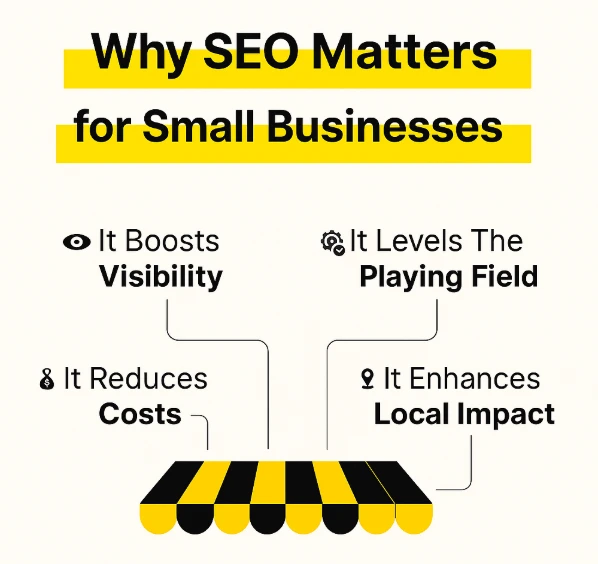
Most small business owners depend on referrals, local foot traffic, or paid ads. But consumer behavior has shifted: 97% of people go online to find local businesses (Google data). If you aren’t showing up where customers search, you’re invisible.
SEO gives small businesses a long-term growth engine. Instead of renting attention through ads, you build real visibility, real trust, and a durable competitive Edge. It’s not about hacking search engines; it’s about making sure the right people find you when they’re ready to buy.
In short, SEO isn’t optional anymore; it’s an opportunity.
Why Every Small Business Needs Good SEO to Stay Visible
Around 75% of users never scroll past the first page of Google. Meaning? If you’re not there, you’re not chosen.
Good SEO is like a long-term investment account that starts slow but compounds over time. Bad SEO can look fast, but it crashes eventually (penalties, drops, wasted money).
Think long-term:
- Build organic reach once → benefit repeatedly
- Avoid shortcuts that harm your domain later
- Focus on trust, relevance, and consistency
If you want to stay visible, play the long game. Businesses that commit to SEO early win the market later.
How Search Engine Optimization Drives Long-Term Growth
SEO isn’t a cost, it’s growth capital.
For every dollar invested in SEO, businesses earn an average of $2.75 back (according to BrightEdge). Some do far better.
When you optimize content, fixed digital assets, and authority, your visibility blends:
- Rankings → traffic → leads → revenue.
- Content → trust → brand equity.
- Authority → referrals → partnerships.
There will be fluctuations. That’s normal. But in the long run, SEO returns do not vanish the moment you stop paying, unlike ads.
If you want predictable growth, SEO is the engine.
Boosting Online Visibility in Search Results
Visibility isn’t “rank for one keyword.”
It’s showing up everywhere your customer looks.
- Google Search.
- Google Maps.
- “Near me” results.
- Local directories & reviews.
- Knowledge panels & snippets.
Businesses that appear across multiple surfaces get 3–5× more clicks (according to Moz Local Data).
Local SEO + content + reviews = total search presence.
More places you appear = more chances to win the customer.
Small businesses don’t need to outrank everyone; they need to be everywhere your buyers look.
Small Business SEO vs Big Brand Tactics
Big brands have budgets, teams, and name recognition. Small businesses, however, have speed, local knowledge, and authenticity. That’s where SEO levels the field.
Research shows 46% of all Google searches have local intent. That means nearly half of the people searching want to buy nearby, not from global giants. With a smart local SEO strategy, even a small business can outrank corporate competitors in those searches.
SEO isn’t about being the biggest player. It’s about being the most relevant one.
How Local SEO Helps Small Businesses Compete
Local SEO turns your neighborhood into your market.
When you optimize your Google Business Profile, collect reviews, and use location-based keywords, your business can appear in the “local pack.” These are the top three map listings that get over 40% of all local clicks.
Big brands rarely focus on hyperlocal targeting. That’s your advantage. By building relevance around your city, service area, or community, you can dominate searches where it matters most near your customers.
SEO Strategy That Works on a Small Budget
You don’t need a massive budget to compete. You need focus.
Start with the high-impact areas:
- Optimize your top five pages.
- Target long-tail, low-competition keywords.
- Build backlinks from local partners and directories.
Studies show small businesses that spend even $500–$1,000 a month on consistent SEO see measurable ranking growth in less than six months.
The key is consistency. Doing the right small actions repeatedly beats a big one-time push.
Targeting Niche Markets Through Search Engines
Search engines reward specialization. When you create content for your exact niche rather than generic topics, you rank faster and attract better leads.
For example, instead of targeting “digital marketing,” go for “SEO for local coffee shops” or “plumbing SEO in Manchester.”
According to HubSpot, long-tail keywords have 36% higher conversion rates because they better match searcher intent.
Your niche is your moat. Use it to become the go-to business in your category.
Laying the Technical SEO Foundations for Your Business Website
Technical SEO is the engine under your hood. It doesn’t grab attention like content or design, but it determines whether search engines can crawl, index, and trust your website.
Even simple fixes, such as faster page speed, mobile optimization, SSL, and a clean site structure, can dramatically improve rankings. Google found that a one-second delay in page load time can reduce conversions by up to 20%.
Small businesses that get technical SEO right early avoid major traffic losses later.
Optimizing for Mobile and Core Web Vitals
Mobile-first indexing is here to stay. With over 63% of Google searches coming from mobile devices (Statista), a slow or clunky mobile site kills both rankings and sales.
Prioritize your Core Web Vitals:
- LCP (Largest Contentful Paint): Under 2.5 seconds
- FID (First Input Delay): Under 100 milliseconds
- CLS (Cumulative Layout Shift): Below 0.1
These aren’t just technical metrics. They shape user experience, and Google uses them to decide who ranks higher.
Secure Hosting, Speed, and Search Engine Crawling
A reliable, secure, and fast website is non-negotiable. Use HTTPS, choose a trusted host, and compress images to keep page load time under control. Fast, secure websites earn better rankings and build customer trust.
Search engines notice that too. A slow, insecure site can cost both users and rankings.
Setting Up Google Tools to Track SEO Performance
You can’t improve what you don’t measure. Set up these free tools from Google:
- Google Analytics 4 (GA4): Tracks traffic, engagement, and conversions
- Google Search Console (GSC): Monitors rankings, errors, and click-through data
- Google Business Profile Insights: Shows how local customers find you
Tracking your SEO performance reveals what’s working and what needs adjustment. Businesses that use analytics grow 126% faster than those that don’t (According to McKinsey).
Local SEO for Small Business Success
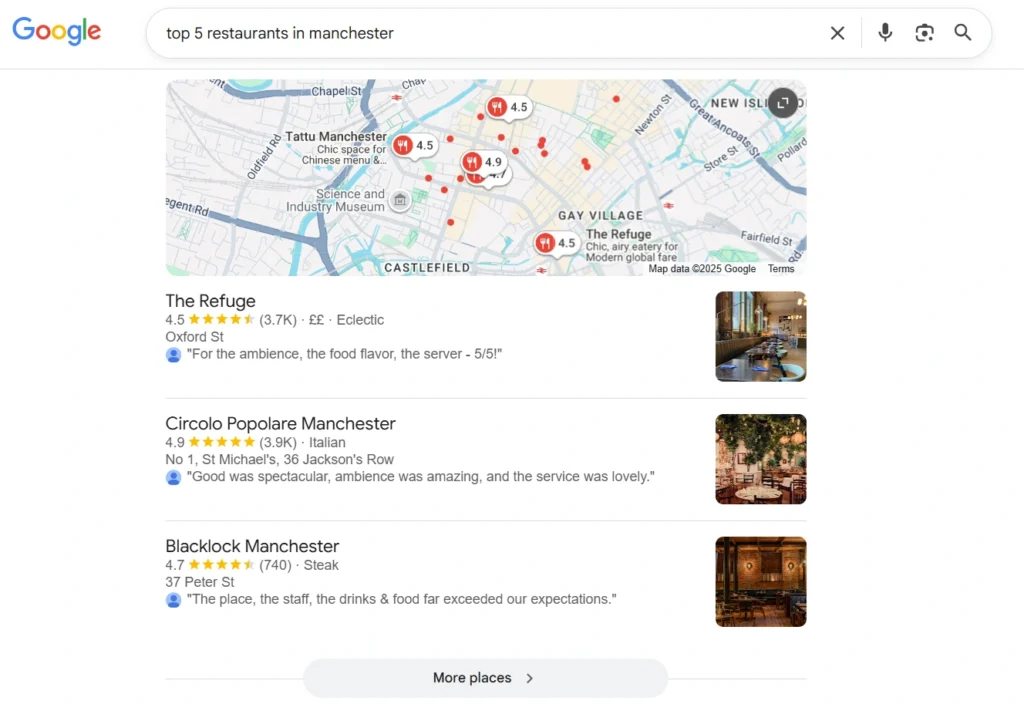
Local SEO helps small businesses reach nearby customers exactly when they’re searching. It focuses on improving visibility in Google Maps, local packs, and “near me” searches, making it one of the most effective ways to attract real, high-intent leads.
Optimize Your Google Business Profile for Local Search
Your Google Business Profile (GBP) is often the first impression customers get. Complete every section: business name, category, hours, and contact info.
Add high-quality photos and regular updates. Businesses with optimized profiles receive up to 70% more visits from search and maps than those with incomplete listings.
Building Business Listings and Local Citations
List your business on trusted directories such as Yelp, Bing Places, Apple Maps, and industry-specific platforms. Keep your NAP (Name, Address, Phone number) consistent across every listing. Consistent citations strengthen local authority and improve Google’s ranking signals.
Managing Reviews and Community Engagement for Visibility
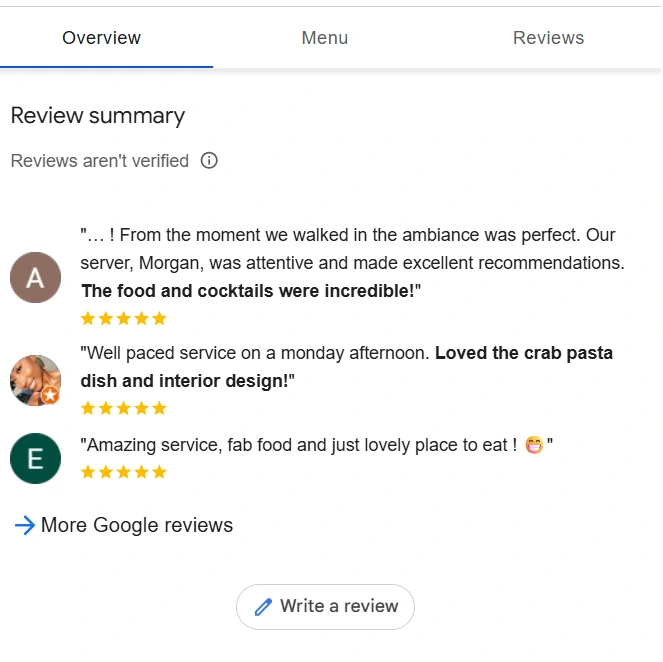
Reviews directly influence local ranking and buyer trust. Encourage satisfied customers to leave feedback and always respond to reviews, positive or negative.
According to Bright Local, 98% of consumers read online reviews, and businesses that respond regularly are viewed as 1.7x more trustworthy. Engaging with local audiences online builds reputation and visibility.
Creating Local SEO Content for Nearby Customers
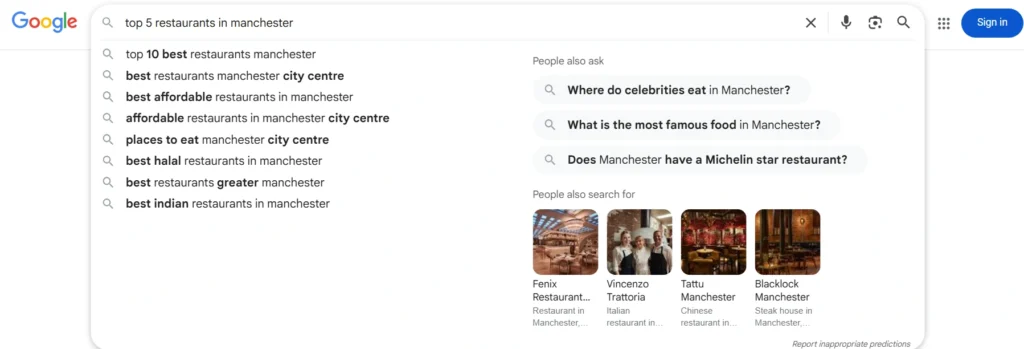
Create pages or blog posts that speak to your city or region. Examples include service pages like “Web Design in Austin” or blog posts like “Top 5 Cafes in Manchester.”
Include local landmarks, testimonials, and community involvement. Google rewards content that proves local relevance and authority.
Smart Keyword Research for Small Business SEO Strategy
Effective keyword research focuses on understanding the intent of what potential customers are actually searching for before they buy. Prioritize keywords that show clear interest in your services rather than broad informational terms.
Targeting Buyer-Intent Keywords
Buyer-intent keywords signal readiness to purchase. For example, “emergency plumber in New York” is far more valuable than “how plumbing works.” Use these terms naturally in your content and meta descriptions to capture leads at the decision stage.
Competitor Research Using Search Engine Tools
Study what’s already working for competitors. Use free or paid tools such as Google Search Console, SEMrush, or Ahrefs to identify which keywords drive their traffic. Focus on gaps and opportunities where they rank weakly, and you can outperform with stronger content and optimization.
Keyword Clustering for Better Search Rankings
Instead of optimizing one keyword per page, group related terms into clusters. This builds topical authority and helps your content rank for multiple searches at once. For instance, a page about “SEO services for small businesses” might also target “improve SEO performance” and “local SEO for small businesses.”
Keyword clustering creates a web of relevance that search engines reward.
On-Page SEO: Optimize Every Page for Business Impact
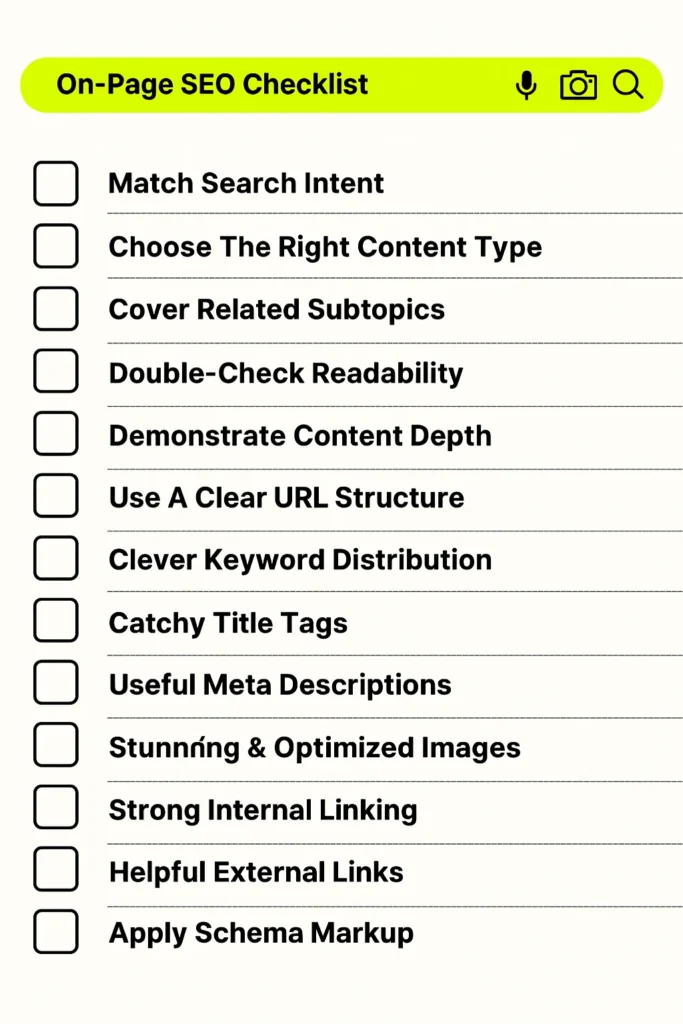
On-page SEO helps search engines understand your content and ensures visitors find it valuable. Each page should serve a clear purpose and guide users toward taking action. When done right, it improves both rankings and conversions.
Crafting SEO-Friendly Title Tags, Meta Descriptions & H1s
Titles and meta descriptions shape first impressions. Keep titles under 60 characters and make them specific to what users will find. Write meta descriptions that highlight benefits and encourage clicks.
Each page should have a single H1 that matches its intent. Use your primary keyword naturally within it and make it clear what the content delivers.
Structuring Content for Readability and Search Engines
Organize your content so it’s easy to scan. Use subheadings, bullet points, and short paragraphs. Include your target keywords naturally in the first 100 words and throughout the content where relevant.
Readable content keeps visitors on your page longer, which helps search engines recognize that your page is useful.
Internal Linking and On-Site SEO Strategy
Internal links connect your pages and help users navigate easily. Link from high-traffic pages to important ones using descriptive anchor text. This builds a clear structure that improves both user experience and SEO performance.
Avoid adding unnecessary links; every link should help users find value or take the next step.
Alt Text and Image Optimization Tips
Images should load quickly and support the content’s message. Compress them to improve speed and use descriptive alt text that explains what the image shows.
Alt text improves accessibility and helps search engines understand the context of your visuals, giving your content another opportunity to appear in search results.
Content Marketing That Builds Authority and Improves SEO
High-quality content builds trust, educates customers, and strengthens SEO performance. For small businesses, it’s not just about publishing often; it’s about producing content that aligns with search intent and provides real value.
Blogging for Business Owners: Answering Real Customer Questions
Every blog post should solve a specific problem your target audience faces. Think like your customer, what are they typing into Google before buying?
- Identify common pain points through FAQs and support queries
- Turn those into blog titles that target long-tail keywords
- Use clear, helpful language that positions your business as the expert
Helpful, intent-driven posts attract visitors who are already interested in your products or services.
Case Studies, How-To Posts, and Evergreen SEO Content
Different content types serve different goals:
- Case studies: Build credibility by showing real results
- How-to guides: Establish authority while solving problems
- Evergreen content: Continues attracting traffic long after it’s published
Mix these formats to create a library of resources that bring in consistent organic traffic.
Building E-E-A-T with Optimized, Expert-Level Articles
E-E-A-T (Experience, Expertise, Authoritativeness, Trustworthiness) is crucial for ranking and credibility.
To strengthen it:
- Add author bios to highlight expertise.
- Cite reliable sources.
- Keep information updated and accurate.
- Use transparent, customer-focused messaging.
Google rewards websites that show genuine authority and authenticity.
Repurposing Content for Better Search Engine Reach
Don’t let valuable content fade after one use. Repurpose top-performing posts into new formats such as:
- Short videos or reels
- Infographics or carousels
- Social media snippets
- Email newsletters
This multiplies your reach and reinforces SEO by linking back to your core pages.
Link Building for Small Business Websites
Links act as endorsements of trust. When other websites link to yours, search engines view your business as more credible and relevant.
Earning Backlinks from Local and Industry-Relevant Sites
Focus on quality, not quantity. Start by:
- Getting featured on local business directories
- Partnering with nearby companies for mutual promotion
- Writing guest posts for industry blogs
Each link you earn strengthens your authority and expands visibility within your niche.
Building Authority Through Off-Page SEO Services
Off-page SEO includes strategies outside your website that boost your reputation.
Consider:
- Digital PR campaigns highlighting your brand story
- Sponsoring local events
- Collaborating with influencers or media
These strategies drive awareness while improving link diversity.
Avoiding Link Penalties While Improving Your SEO Score
Not all links are beneficial. Avoid:
- Buying backlinks
- Joining link farms
- Over-optimizing anchor text
Stick to natural, relevant linking opportunities that genuinely add value.
SEO Tracking: Measure and Improve Your SEO Performance
Tracking ensures your efforts deliver measurable results. Without consistent data, even the best SEO strategy can lose direction.
Top Metrics for Business Owners to Track
Focus on a few meaningful metrics:
- Organic traffic: Measures reach and engagement
- Keyword rankings: Tracks visibility progress
- Click-through rate (CTR): Reflects how attractive your titles are
- Conversions: Shows if SEO is driving revenue
Tools to Analyze Search Engine Rankings and Traffic
Free and paid tools help visualize performance:
- Google Search Console for keyword tracking and indexing.
- Google Analytics 4 for traffic and conversions.
- Ahrefs or Semrush for deeper competitive insights.
Choose tools that align with your goals and resources.
Using Data to Improve Your SEO Strategy Over time
Review your SEO data monthly. Identify trends, pages with declining traffic, or keywords slipping in rank.
Then adjust:
- Refresh outdated content.
- Strengthen internal links.
- Target emerging keywords.
- Consistent refinement is how small businesses sustain growth.
Final Words: Take Action and Strengthen Your Online Presence
Improving your website rank isn’t about chasing quick wins; it’s about building steady, sustainable visibility that drives real business growth. Every update, every optimization, and every piece of content you create helps you climb higher in search engine results and stay in front of your ideal customers.
Now is the time to take control of your online future. Start by reviewing your website, refining your keywords, and implementing the SEO strategies you’ve learned here.
If you’re ready to grow faster and want expert help optimizing your site, book a free SEO audit today. Let’s uncover new opportunities, improve your rankings, and turn your online presence into your strongest marketing asset.