

Local search is how nearby customers find your business. In fact, virtually 99% of consumers search online for local businesses. About 30% of all mobile searches involve location intent, and a staggering 4 out of 5 of those local queries lead to a purchase.
Google reports that 76% of people who search on their smartphone for something “near me” visit a business within a day.
In other words, if your small business isn’t optimized for local search (Map Pack, Google Maps, etc.), you’re leaving real customers on the table.
Local SEO means optimizing your Google Business Profile (formerly Google My Business), citations, website content, and links so that nearby customers find and trust you.
Why Local SEO Matters for Small Businesses
Capture high-intent traffic: Local searchers typically have immediate needs. Google’s data shows 76% of smartphone local searchers visit a store within 24 hours, and about 30% of all searches have local intent. This means local SEO turns searches into real customers faster than most other marketing channels.
Boost visibility and trust: Optimizing your Google Business Profile (GBP) and listings makes you appear in the Local Pack and Maps. Businesses with complete GBP listings are 2.7× more likely to be trusted by customers, and one study found that verified local businesses receive over 21,600 search views per year. By ranking in local results, you build recognition and credibility in your community.
Stand out from competitors: If most local rivals aren’t fully leveraging SEO, you can swoop in. SEOProfy notes that many small businesses never use local SEO, so those who do get a head start. Effective Local SEO for small businesses can help small shops outrank national chains in local search results.
Higher conversion rates: People searching locally are closer to buying. Around 88% of consumers who do a local search on their phone either visit or call a store within a day, and roughly 78% of local searches lead to a purchase. This far exceeds the average conversion rates of broad online ads. Local SEO services that target nearby buyers can dramatically improve your sales and ROI.
The Local SEO Foundation: Setting Up the Right Infrastructure
Before you try to rank locally, your digital foundation needs to be rock solid. Most small businesses skip this step. They jump straight to content or ads without ensuring their core presence is even trustworthy in Google’s eyes.
This part of the playbook is about getting the basics right. Just setting up the right elements that tell search engines: this business is legit, and yes, it’s local.
The Google Business Profile
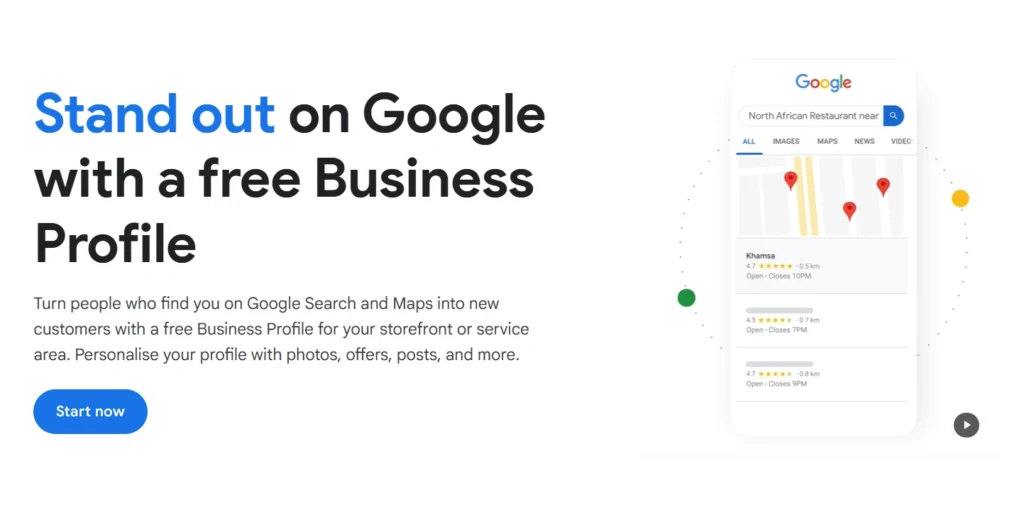
Start here. Google Business Profile (GBP) is not optional. It’s your digital front door.
Claim your listing if you haven’t already. Once you’re in, be thorough. Use your real business name. Don’t stuff keywords or location terms. Pick the most accurate primary category, then add two or three secondary ones that truly reflect what you do.
Add real photos of your storefront, your team, and your work. Keep your business hours up to date at all times, especially during holidays. Use the description space to explain who you serve and what sets you apart. Keep it natural and readable.
Use the “Posts” feature to share updates, offers, or events. Short weekly posts keep your listing active and send trust signals to Google.
NAP Consistency
NAP stands for Name, Address, Phone. It sounds basic, but it’s one of the most common issues I see when auditing local businesses.
The rule is simple. Your NAP must be identical everywhere. On your website, on directories, on social media. Same spelling, same format, same punctuation. If one place says “123 Main St.” and another says “123 Main Street,” Google sees uncertainty.
Start by fixing it on your website. Then double-check your GBP and major directories. You can use tools to speed this up, but even a quick Google search of your business name can show you where your details are listed incorrectly.
Directory Listings That Still Matter (And the Ones You Can Skip)
You don’t need to be listed on hundreds of directories. You just need the ones that count.
Focus on Google, Apple Maps, Yelp, Facebook, Bing Places, and any directories specific to your industry. Think TripAdvisor for hospitality, Avvo for legal, or Houzz for home services.
Skip anything that looks outdated or spammy. If it’s not a place where real customers search, it’s probably not helping you.
Your priority should be quality and consistency, not quantity. Make sure those listings are accurate, verified, and well maintained.
Schema, Sitemaps, and Site Speed: Don’t Skip the Technical Stuff
This is where many small business websites fall behind. But getting it right gives you a clear advantage.
Add LocalBusiness schema markup to your homepage and local service pages. This tells Google exactly who you are, where you are, and what you do.
Submit your sitemap in Google Search Console. Make sure it includes your key pages and reflects your current site structure.
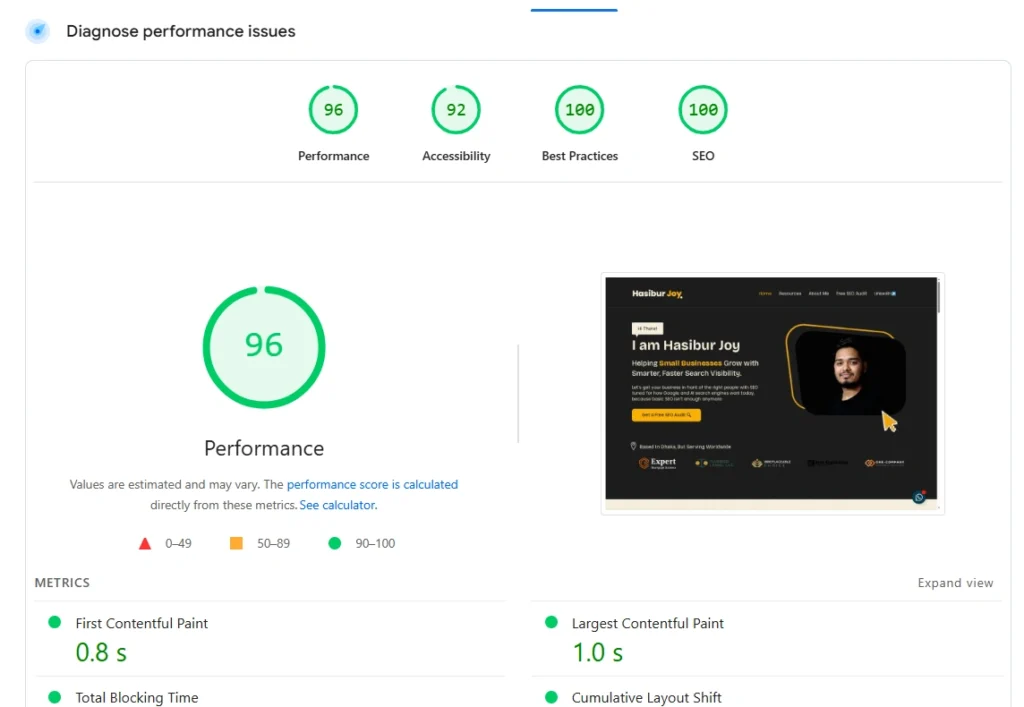
Finally, check your site speed, especially on mobile. A slow site hurts your rankings and turns visitors away. Fast loading times help you show up and stay visible.
7-Step Local SEO Strategy for Small Businesses That Actually Works
This is where things come together. A lot of businesses dabble in local SEO without a structure, hoping things will click. But showing up locally is not about doing random tasks. It’s about doing the right things in the right order.
Below is a step-by-step system built specifically for small businesses. It’s actionable, it’s proven, and if you follow each step, your visibility will grow.
Step 1: Audit Your Current Online Presence (With Tools & Templates)
Start with a clear picture of where you stand. Search your business name on Google and look at what shows up. Is your Google Business Profile claimed? Are there duplicate listings? Are your reviews current? Is your website showing for local terms?
Use tools like BrightLocal or Whitespark to scan your listings. Check for NAP consistency and existing citations. Gather this into a single document or spreadsheet. This audit is your baseline. Without it, you’re guessing.
Step 2: Fix & Optimize Your GBP (With Visual Examples)
If your GBP is incomplete or outdated, fix it now. Make sure your business name, address, and phone number are 100 percent accurate. Choose the right categories and upload recent, high-quality photos.
Add services with descriptions. Write a clear business summary that speaks to your target customer. Use posts to promote offers or events. Enable messaging if you can respond quickly.
The more complete and active your profile, the more signals you send to Google that your business is worth ranking.
Step 3: Build Localized Pages That Convert
Your website needs dedicated pages for each service area. Don’t just list cities in a bullet point. Create full pages for each key location with unique content, testimonials, service details, and local keywords.
Use internal linking to connect those pages to your homepage and related services. Add your business name, full address, and phone number to each page. Include schema markup to help Google recognize your location relevance.
These pages not only help you rank in local results, but they also give customers the confidence to contact you.
Step 4: Generate and Respond to Reviews Like a Pro
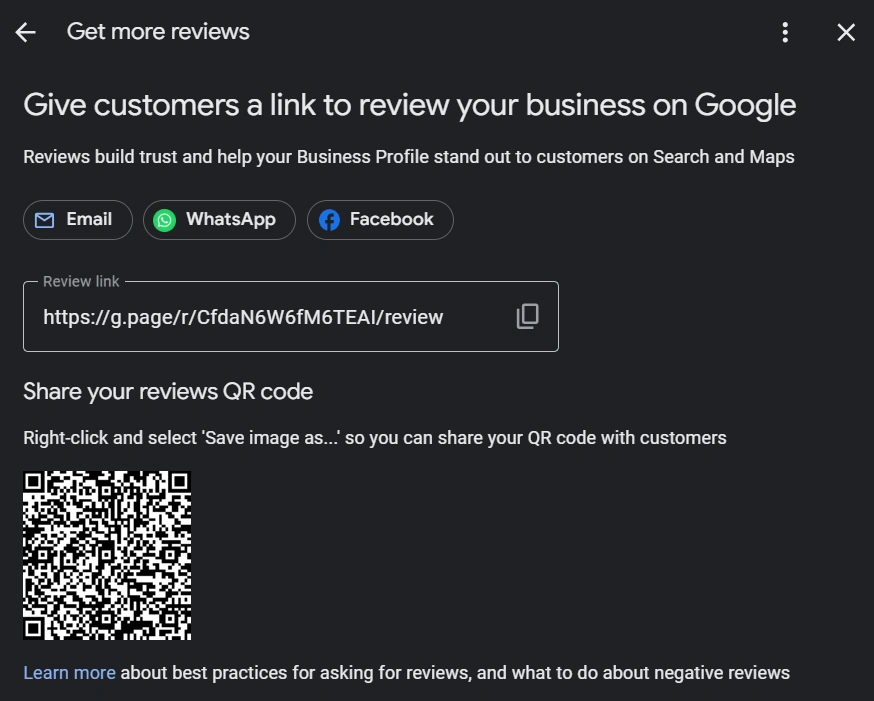
Reviews are one of the strongest local SEO signals. Start by asking happy customers to leave a review. Send them a direct link to your Google review form. Make it easy and integrate it into your process.
When a review comes in, respond. Thank them by name and personalize your reply. For negative reviews, be polite, acknowledge the issue, and offer a resolution. Google tracks engagement on reviews, and so do your future customers.
The goal isn’t just quantity. It’s quality and responsiveness.
Step 5: Get Local Backlinks Without Paying for PR
You don’t need to hire a PR firm to earn powerful links. Start with local directories and business associations. Look for sponsorship opportunities with community groups, events, or sports teams.
Offer to write a guest post for a local blog or collaborate on a community guide. Even better, reach out to vendors, partners, or clients and ask for a link if they mention you.
Local backlinks show Google that other real, trusted entities in your area vouch for you. That trust translates into better rankings.
Step 6: Create Local Content (Not Just Blog Posts)
Content that works for local SEO isn’t just educational or community-focused. Write about local events, partnerships, or updates relevant to your audience.
Highlight customer stories from different neighborhoods. Publish service area updates, seasonal promos, or tips specific to your city or town. Include place names naturally and use photos where it makes sense.
Local content proves that you’re not just targeting a market, you’re part of the community.
Step 7: Monitor Rankings, Clicks, Calls, and Reviews in One Dashboard
You can’t improve what you don’t measure. Track your keyword rankings for local search terms. Monitor clicks, direction requests, phone calls, and reviews from your Google profile.
Use Google Search Console, Google Analytics, and GBP Insights to pull this data together. Tools like LocalFalcon or GridMyBusiness can help visualize your map rankings.
Check in weekly or monthly. Look for what’s improving, where visibility is dropping, and which pages or listings are driving the most engagement. Adjust based on what’s working.
Common Mistakes That Keep Local Businesses Invisible
Many small business owners try local SEO, but still find themselves buried in local search results. It’s not always about what you’re missing; sometimes it’s what you’re doing wrong. These common missteps quietly sabotage your visibility, rankings, and ability to attract new customers.
Fixing these will help your business stand out, earn trust, and get in front of more local potential customers.
The GBP Graveyard Problem
Your Google Business Profile is not a one-time setup. Too many listings sit untouched for months, with outdated business information or no updates at all.
An inactive profile signals to search engines that you’re not engaged, which hurts your chances of appearing in local searches. Regular updates signal that your business is active and relevant to the local market.
Update your hours, respond to reviews, post weekly, and keep photos fresh. Your business profile should evolve as your business grows.
NAP Drift Across the Web
If your listing says “Suite B” on one site and just the street address on another, Google might treat them as two different businesses. That weakens your SEO strategy and damages trust.
Audit your business profiles regularly. Keep your NAP consistent everywhere, from your website to directories to social media pages.
The “One and Done” Fallacy of Reviews
Getting a few five-star reviews feels great, but local SEO is about consistency. A sudden burst of reviews followed by silence tells Google that engagement has stalled.
Ongoing review activity is a ranking factor. It also influences web traffic and foot traffic because potential customers want to see fresh feedback from other locals.
Make review requests part of your regular process.
Why Thin Local Pages Hurt You More Than Help You?
A common mistake is creating multiple city pages with nothing but a few changed keywords. Search engines see right through this. Thin content adds no value and can actually drag down your overall SEO performance.
If you serve multiple areas, each location page should be unique. Include local details, customer testimonials, service breakdowns, and strong internal linking.
Good content helps you rank and builds trust with visitors.
What happens if your top competitor starts doing this before you do?
Digital marketing isn’t optional anymore. Local SEO is a critical piece of your overall marketing strategy, not a side project.
If your top competitor invests in search engine optimization and you don’t, they won’t just rank higher; they’ll own the local market. They’ll show up first. They’ll get the calls. They’ll earn the trust. And you’ll be left wondering where all your customers went.
Optimization isn’t just about Google. It’s about visibility, credibility, and survival.
Every day you delay, someone else is capturing the traffic, the leads, and the growth that could be yours.
You don’t need to do everything today, but you do need to start.